
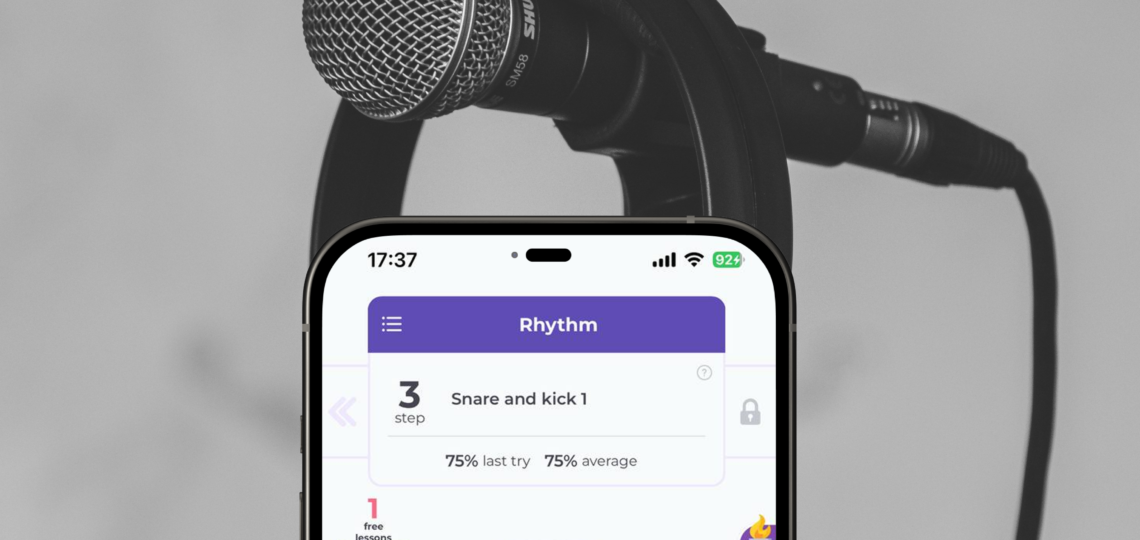
Making Practice Performative: Treating Talented Sessions Like Mini-Recitals
1. Why Turning Practical Sessions Into Mini-Recitals Is Important
The whole essence of the music learning process does not lie just in repeating scales or exercises but also in a living experience of expression through sound. Picture this: a small performance each lesson, which immediately gives students several advantages:
- Motivation grows. When a practical session is turned into a kind of “stage appearance,” additional drive and striving for perfection emerge.
Performance skill is learned along with technique. The musician is not only taught to play the notes but also to feel the melody and to communicate it to the listener. - Feedback becomes more conscious. It’s not just analyzing one mistake, but the whole performance that helps see strengths and areas of growth.
- Psychological preparation is integrated organically. Stage fright, usually postponed for “later,” commences to be treated directly in the course of sessions.
This process prevents the sessions from being boring and monotonous; small celebrations of musical expressiveness, they now become. Such an approach helps integrate skills faster and heightens interest in learning.
This is performative practice — a shift to mini-recitals powered by the Talented app, building a performance mindset and encouraging sharing practice.
Think of it as stage simulation and practice theater that welcomes video reviews, performance analytics, recital format polish, and session staging.
2. The Psychology Of Performance Overcoming Stage Fright
A barrier of stage fright is familiar for most who only start sharing their music publicly. It was important in our app to find a way not to let this fear paralyze but, on the contrary, turn into fuel for growth.
Here are several key points which we pay attention to:
- Gradual habituation. Mini-recitals are a small step forward, not a giant leap. Playing in front of a camera or a small circle of listeners is possible.
- Focus on process, not result. The main thing is not the perfection of performance, but the desire to share what worked out and to gain experience.
Community support: a platform where mistakes are perceived as part of the journey we create in the app, and support from other students and mentors reduces anxiety.
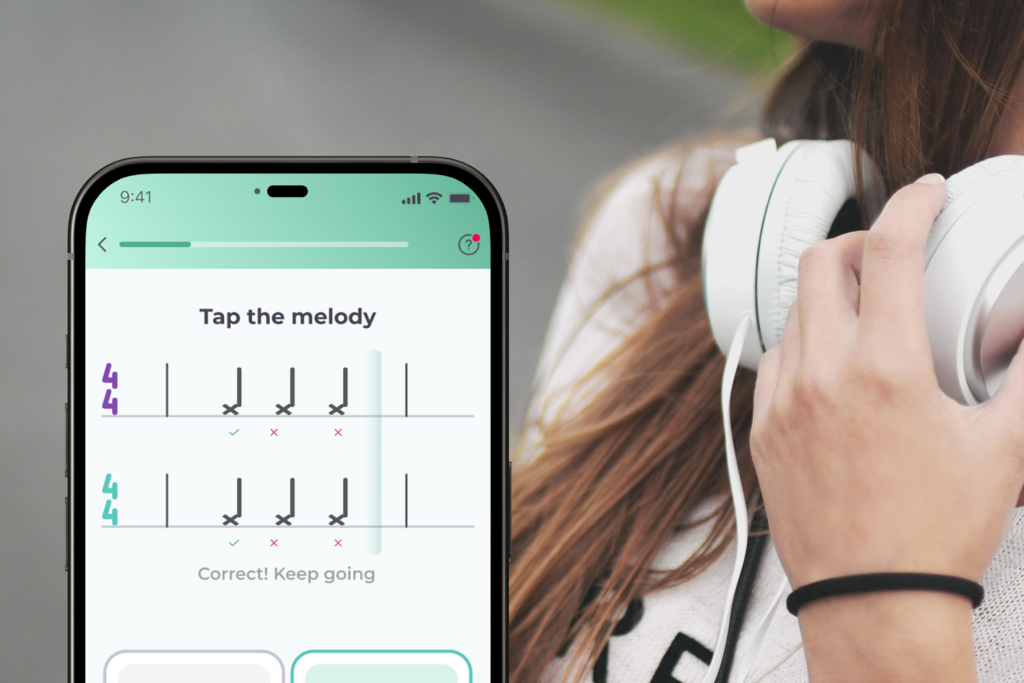
Techniques for relaxation and visualization: Before each mini-recital we recommend short breathing exercises and mental visualization of a successful performance.
| Technique | Description | Goal |
| Mini-Performances | Lessons with elements of public performance | Reduction of Fear through regular practice |
| Positive feedback | Comments of encouragement | Confidence building and Motivation |
| Breathing techniques | Exercises to relieve tension | How to “calm” the nervous system before going on “stage” |
The psychological basis helps the learner not to feel stress due to mini-recitals but as an important and inspiring stage in learning. Not to paralyze, fear is meant to cause movement forward — towards musical self-expression.
Learn more about structured mini-recitals at talentedmusicapp.com/en/piano-learning-app.
These steps also nurture a performance mindset for audience practice and virtual recitals.
3. Session Structuring Creating A Mini-Recital Script For Maximum Engagement
Organization of a mini-recital within a practical session is not a formality but one of the most important moments, which sets the tone for the whole performance. The structure is needed to turn the session into a coherent performance, not a random set of exercises, in order to keep attention and stimulate the audience’s emotional response. The following sequence is recommended to be followed:
- Introduction. Welcoming + announcing the program. It is very important to immediately engage the listeners and outline the purpose of the mini-recital.
- Main part. Certain compositions or exercises combined on the principle of unity of idea or mood. Smooth transitions are advisable, giving a unified impression as a whole.
- Interactive element. Tasks for the audience or short discussions after every block are introduced; this keeps attention and livens up the performance.
- Conclusion. Mapping up, thanking the listeners, and briefly outlining the plans for forthcoming sessions.
Equally important are the “introductions” to each piece or exercise. Not only do they structure the performance, but they also provide emotional richness, making what might be an ordinary execution a story to listen to.
This structure reinforces performative practice and aligns your rehearsal format with a clean recital format and session staging.
4. Using Feedback And Self-Reflection To Improve Performance
Feedback is one of the most powerful development tools, especially in Talented mini-recital format, wherein criticism and recommendations are crystal clear and constructive. To make effective use of this resource, the following principles should be followed:
- Specificity. Comments should be specific, concrete, and pinpoint exact issues in performance that need attention with regard to technique, musicality, or emotional delivery.
- Positive orientation. It is advisable to first start with positive points to boost the performer’s confidence, then gently move to growth areas.
- Engagement of the performer themselves. Stimulating self-reflection: what was problematic, what went well, what emotions surfaced during the performance.
- Dynamism of feedback. Not stopping at the final remark after performance but including short discussions in the middle of the session allows for immediate correction of mistakes and the consolidation of achievements.
Self-reflection should become an organic part of the session: keeping progress diaries, audio and video recordings help students objectively judge their achievements and point out concrete steps toward further improvements. Skillfully combining a structured script with thoughtful feedback creates conditions that allow each Talented session to become an exciting presentation with actual growth and motivational effects.
Build clear feedback loops and use video reviews for shareable sessions and live stream tips.
Technical Aspects Of Preparation From Equipment Setup To Repertoire Selection
And when it comes to the creation of a mini-recital within Talented sessions, no less important than the creative component is technical preparation.
Setting Up Equipment
From microphones and amplifiers to room acoustics: the sound must be clear and free of distortion.
- A full equipment rehearsal should not be forgotten in order to identify any problems that may arise.
Appropriate lighting helps create the atmosphere that is needed and accents the performer. - Avoiding unnecessary shadows and glare.
- Soft diffused light is better to use.
If video recording is intended, cameras should be placed in a way that captures both the performer and audience reaction.
Good shooting quality is important for further performance analysis, too.
Repertoire Selection
A balance between variety and a gradient of difficulty is needed.
- The mini-recital should be interesting for the audience, but it should not be too complicated for the performer.
- Reflective program dynamics:
Thereby, switching between slow and fast, quiet, and rich composition, one will maintain the attention and provide emotional contrast.
Matching the session theme or educational goals:
Each piece of work should serve certain skills and objectives set for students.
Organization of Space
Convenient arrangement of instruments and technical means is needed.
–Everything should be within the performer’s reach, so that no distraction is caused in searching or rearranging during the performance.
Audience area: The distance between performer and audience shall be ideal in order to bring about intimacy while being comfortable for all participants.
Spare technical items — cables, adapters, batteries — must always be at hand in case of technical malfunctions.
In conclusion, technical preparation is the basis upon which a successful mini-recital stands. A chance to meticulously work through each point in advance, is not just an opportunity to present musical material, but to narrate an emotional story and mastery to listeners, creating an unforgettable experience in all session participants. The attention to details from both the organizer and the performer will turn every practical meeting into a true small performance that is inspiring and motivating to learn further.
Leverage stage simulation, performance analytics, and confidence building to refine artistic presentation.
Interactive Engagement Of The Audience Key Elements They Are
Embodying the idea of a mini-recital, we constantly seek to make communication between the performer and listeners as natural and emotionally rich as possible. Below, several recommendations that have been proved by time are given to help you keep the atmosphere of a vivid dialogue and hold the audience’s attention from the very first seconds.
- Create dynamic contact with the audience.
Besides traditional introduction and performance, asking questions and inviting brief discussions about what was seen or heard is useful.
It can be as simple as, “What do you think this melody is about?” or “Who heard an unexpected rhythmic transition?”, such moments spur activity and mutual interest. - Elements of improvisation and spontaneity use.
The less rehearsed and biased the performance looks — the easier for the audience it is to dive into.
Small deviations from the script, live emotions, sincerity in presentation — all this creates the effect of presence and trust. - Listeners react through visual and audio responses.
Ask viewers to name the emotions that have emerged after the performance and conduct a small mood survey. Incorporate short musical or verbal cues – “Sing along if you feel the rhythm!”, “Raise your hand if you recognized this theme.” Therefore, attention is not scattered, yet concentration will be strengthened. - Emphasis on place diversity formats
Inclusion of various kinds of performance genres-from a classical mini-composition to a short story about the creation process-helps to refresh listeners’ perception. Variety removes usual monotony and keeps the interest high during the session. - Emotional fluctuation and pace of delivery monitor
Fluidity in the mood presented is another powerful way of holding attention. It alternates between calm, reflective moments and energetic, positive ones; this way, the audience can “switch” and not sink into a state of uniform background perception.
These methods, if applied, totally change the dynamics of learning, turning each session into a far-from-ordinary training stage but rather a vibrant, memorable event for the performer and listeners. We, the application developers, are constantly trying out formats to make communication as lively and effective as possible. It is emotions and engagement that enable one to create a true resonance and make creativity truly inspiring.
Use audience practice prompts and shareable sessions, and consider live stream tips for virtual recitals. This also supports sharing practice as a cultural norm.
7. Successful Mini-Recital Examples In Talented And The Lessons They Teach Us
The point that Talented’s experience tries to show is that practice is not enough, mini-recitals conducted with soul and preparation become true events. A few examples from studio life will help to illustrate how this works precisely.
- “The Path to the First Note” Recital. Presented here by participants of various levels are small compositions performed for the first time. The main lesson that one gets is not to be afraid of making mistakes but to learn from them right in front of the audience. Such format teaches one to treat oneself and one’s steps openly.
- “Duets and Trios” format. Instead of performing solo, students make up groups. Such an approach develops a sense of team and mutual support. Anxiety is reduced, while motivation is strengthened through peer support.
Themed evenings: A pre-agreed style or genre-for example, a jazz night or a “Journey through Classics.” Such events teach expanded musical horizons and adaptation to different task settings.
If anything, each example shows one important lesson that may be drawn: a mini-recital is not just showing achievements, but learning to interact, hear yourself and others, realize the progress, and open new horizons.
These formats boost artistic presentation and rehearsal format awareness while the Talented app streamlines video reviews and performance analytics.
8. How Regular Mini-Recitals Influence Students’ Progress And Motivation
Exactly, the regularity of mini-recitals is no less important, which:
- Habit of performing forms. Performances through constant sessions reduced stage fright, hence making it part of the natural learning process.
- Motivation strenghtens. Inspired to continue studies, stimulated to set goals is the possibility to show results.
- Deep Immersion in Material Contributes. Preparation for mini-recitals requires concentration, repetition, and detailed elaboration that favorably influences better memorization and understanding.
- Community involvement occurs: Students and teachers are united in common preparation for performance, creating a friendly atmosphere and supporting team spirit.
- Actual feedback is given. The opportunity to listen, after every mini-recital, to pieces of advice and wishes speeds up the process of growth and development.
Thus, regular mini-recitals at Talented are not just a form of control but a powerful means of motivation and professional growth, which turns learning into a vivid, dynamic, and inspiring journey.
Regular events harden a performance mindset and cultivate sharing practice across your community with a polished recital format and session staging.